I've decided to start up Nature School again! The blog has been quiet for awhile, as I've had some big life changes. My family and I moved to the Bay Area of Northern California (we live in the Berkeley area) about two years ago. Both of my older boys have been in school and my youngest was just a baby when we moved. She is now two and a half, so the time has come to dive into Nature School again! We have a terrific group of friends who are joining us, which makes me so happy and excited! There really is nothing better than a group of friends who want to go tromp around in the beautiful outdoors together. Our first lesson was last week, so it was an introduction to nature school theme. Here's the outline:
Welcome song:
Hello _____, hello ______, hello________, welcome to nature school!
(to the tune of Goodnight Ladies)
Nature School Rules:
1. Stick together (so no one gets lost)
2. Be kind to the Earth and living things
3. Listen to one another. When a friend is talking or sharing, be kind and respectful
Craft:
Name tags with wood discs and hemp cord
What is Nature School?
Nature School is a fun time for you, kids, to explore and be outside! We are going to learn about our beautiful, wonderful Earth too.
Air- Take a deep breath. Earth has clean, fresh oxygen for us to breath
Water- Look around. Do you see water? Why is water important?
Soil/Dirt- Use your hands to touch the dirt. Smell it. Why is soil important?
Plants- Give us clean air, shelter, paper, food, clothing, bed, home, etc.
Animals- Food, clothing, and friends/company
Insects- They pollinate the flowers, make honey, help decompose
Birds- Let's al sit quietly for a moment. Do you hear any birds? Listening to the songs of birds makes me feel peaceful. Do you feel peaceful? Birds inspire us- Long ago, so one saw a bird flying and thought "I'm going to invent something that will help me fly like a bird!"
Sun/Moon/Stars- Helps warm the planet, give us light, warmth, waves, inspiration
Humans- Turn and give your neighbor a big hug. Wouldn't it be lonely if we were all alone? It's nice to have people who love you
Song:
Earth's Gifts (to the tune of The More We Get Together)
The earth gives us water, water, water
The earth gives us water to drink and to play
The earth gives us air, air, air
The earth gives us air to breath in and out
The earth gives us plants, plants, plants
The earth gives us plants for food and oxygen
The earth gives us soil, soil, soil
The earth gives us soil to grow a garden
The earth gives us animals, animals, animals
The earth gives us animals for food and for pets
The earth gives us humans, humans, humans
The earth gives us humans to learn how to love
Hike/Explore:
At some point during the hike, give each child a paint sample and invite them to find the matching color in the nature around them. During the hike, let the children explore and take time to notice the details around them.
Snack and Book:
Popcorn, apples
"The Grasshopper and the Ants" by Jerry Pinkney
Movement/Dance:
Music playing, pick different animals and move and dance like them.
Showing posts with label hiking with kids. Show all posts
Showing posts with label hiking with kids. Show all posts
Friday, September 18, 2015

Thursday, September 17, 2015
Lesson Plan- Forest exploration
September 16, 2015
Forest Exploration
Welcome Song
Review rules of nature school:
1. Stay with the group while hiking
2. Be kind to the earth- don't hurt living plants or creatures
3. Respect your friends when they are speaking or sharing
Today we are going to be forest explorers! What is a forest? Who lives in the forest? (let the kids list off animals). A forest is a special habitat, or home, to many animals. A forest has lots of trees, shelter, protection, water, food, and other animals to keep one another company.
The letter for the day is S for squirrel. Does anyone have a name that starts with S?
Fingerplay:
Five little squirrels, sitting in a tree
The first one said "It's getting cold for me!"
The second one said" The leaves are falling down!"
The third one said "There are acorns to be found"
The fourth one said "We better not wait!"
The fifth one said "Fall is really great!"
Hike:
Let's be forest explorers and go hiking! What kind of animal should we pretend to be? As we hike, look for things that are interesting or exciting to share with our friends. Maybe you see a neat leaf or insect? You can tell the group and we can all share it with you!
Game:
Squirrels in the tree- Find an area with a number of trees that are close together. Each child finds a tree and stands near it. When an adult calls out, "change trees!", the children must run to another tree. This continues until they are tired of playing. Variations can include hoping, skipping, sliding, slowing walking, to another tree.
Getting to know our numbers:
Each child finds a parter. Hand out one, large outline of a numbers 1-9 to each pair (one number can be printed on a 9 x 11 sheet of paper). Each pair find 1, or 2, or 3, etc of something interesting on the forest floor. It could be acorns or leaves or twigs or blades of grass, fills in the blank number with the items, then shares with the group. For example, John and Sally are given the number 8. They search around until they find a bush with berries. They pick 8 berries, lay them on their sheet of paper so that the berries fill in the outlined number 8. Then, they share their number and discovery with the rest of the children.
 Craft:
During hike, allow the children to collect a few nature treasures. Place the items in between two pieces of contact paper to create a sun catcher to hang up in window.
Snack
Books:
Little Owl Lost by Chris Haughton
A Lead Can Be by Laura Purdie Salas
Forest Exploration
Welcome Song
Review rules of nature school:
1. Stay with the group while hiking
2. Be kind to the earth- don't hurt living plants or creatures
3. Respect your friends when they are speaking or sharing
Today we are going to be forest explorers! What is a forest? Who lives in the forest? (let the kids list off animals). A forest is a special habitat, or home, to many animals. A forest has lots of trees, shelter, protection, water, food, and other animals to keep one another company.
The letter for the day is S for squirrel. Does anyone have a name that starts with S?
Fingerplay:
Five little squirrels, sitting in a tree
The first one said "It's getting cold for me!"
The second one said" The leaves are falling down!"
The third one said "There are acorns to be found"
The fourth one said "We better not wait!"
The fifth one said "Fall is really great!"
Hike:
Let's be forest explorers and go hiking! What kind of animal should we pretend to be? As we hike, look for things that are interesting or exciting to share with our friends. Maybe you see a neat leaf or insect? You can tell the group and we can all share it with you!
Game:
Squirrels in the tree- Find an area with a number of trees that are close together. Each child finds a tree and stands near it. When an adult calls out, "change trees!", the children must run to another tree. This continues until they are tired of playing. Variations can include hoping, skipping, sliding, slowing walking, to another tree.
Getting to know our numbers:
Each child finds a parter. Hand out one, large outline of a numbers 1-9 to each pair (one number can be printed on a 9 x 11 sheet of paper). Each pair find 1, or 2, or 3, etc of something interesting on the forest floor. It could be acorns or leaves or twigs or blades of grass, fills in the blank number with the items, then shares with the group. For example, John and Sally are given the number 8. They search around until they find a bush with berries. They pick 8 berries, lay them on their sheet of paper so that the berries fill in the outlined number 8. Then, they share their number and discovery with the rest of the children.

During hike, allow the children to collect a few nature treasures. Place the items in between two pieces of contact paper to create a sun catcher to hang up in window.
Snack
Books:
Little Owl Lost by Chris Haughton
A Lead Can Be by Laura Purdie Salas
Sunday, April 29, 2012
Lesson Plan- Flowers
Nature School
April 30th, 2012
Flowers

Welcome to Nature School today! Let’s sing our welcome song-
Letter of the Day:
Today we are going to be learning about flowers and pollination so our letter of the day is P for pollination. What other words do you know that start with P? Do any of our nature kids’ names start with P?
Who has seen some flowers blooming lately? There are lots of them, aren’t there? I’ve seen flowers on bushes, trees, and growing straight out of the ground!
Role Play:
Let’s pretend to be a flower. Let’s pretend our feet are roots. Plant them down in the dirt! Then stand up straight and tall. Your legs and your middle are the stem of the flower. Now, our arms and hands are our leaves. They help us photosynthesis and soak up sunlight. Now reach your neck up high and face the sun. That beautiful face of yours in the flower with its petals and beautiful bright colors. Oh, the sun feels so nice! Now it’s raining! We love the rain because it gives us a nice drink which we need to survive. Let’s slurp up some water with our roots. SLURP!! Now it’s really windy! Sway back and forth and side to side. Good thing we have a nice, strong stem to hold us up in the wind. Good job everyone!
Hike:
Who wants to go on a flower hike? As we hike, looks for flowers and point them out for everyone else, okay? Let’s see how many different flowers we can find.
Flower Dissection:
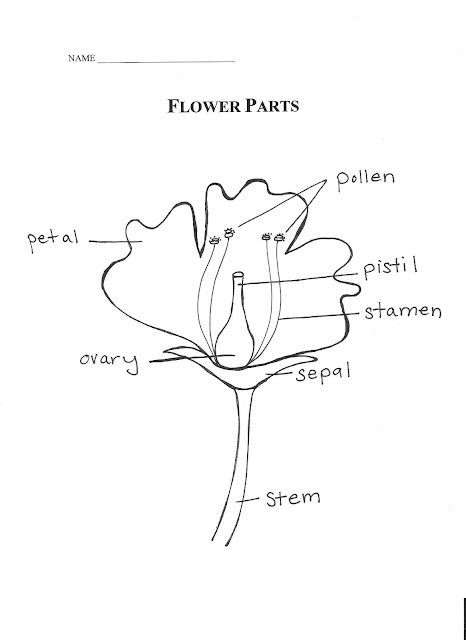
Who knows what dissection means? Dissection means to take something apart and look at the inside. Who wants to dissect a flower? (Have a diagram for each child that shows the different flower parts. Give each child a flower to dissect. Walk them through the different parts of the flower including the reproductive parts. Explain that pollen comes from the anthers, moves to the stigma, down the style, and into the ovary during pollination. A flower can pollinate itself, but many flowers require assistance from insects, wind, birds, or bats to move pollen from flower to flower which is called cross pollination).
Further discussion on pollination: What is pollination? Pollination is what happens when a flower turns into a seed, or a berry, or a fruit. The flower is beautiful and attractive and smells wonderful. Little insects come and get nectar from the flower. When they land on the flower, they get a little bit of pollen on them. Then they spread that pollen to the next flower they go to. That is exactly what the flower wants to have happen!!! Spreading pollen from one flower to the next is great!! Then the seed begins to grow.
Diagram of flower parts:
https://picasaweb.google.com/lh/photo/zFWLdGHD8kqRXYlKbOjN1dMTjNZETYmyPJy0liipFm0?feat=directlink
Game:
Pollination Game- have 6 cutouts of bees. Have 6 children be bees and the rest be flowers. Have the bees go from flower to flower and pollinate, until they have pollinated each. Then switch roles.
Song:
The Plant Part Song (Tune: The Farmer in the Dell)
The seed makes a plant.
The seed makes a plant.
With soil and rain and sunny days,
The seed makes a plant.
The roots find the water.
The roots find the water.
With soil and rain and sunny days,
The roots find the water.
The stem holds it up.
The stem holds it up.
With soil and rain and sunny days,
The stem holds it up.
The leaves make the food.
The leaves make the food.
With soil and rain and sunny days,
The leaves make the food.
The flower makes the fruit.
The flower makes the fruit.
With soil and rain and sunny days,
The flower makes the fruit.
The fruit holds the seeds.
The fruit holds the seeds.
With soil and rain and sunny days,
The fruit holds the seeds.
Craft:
Handprint flowers- Give each child a piece of paper. Ask them to draw a stem and leaves. Paint each child’s hand with paint. Have them stamp their hand onto paper.
April 30th, 2012
Flowers

Welcome to Nature School today! Let’s sing our welcome song-
Letter of the Day:
Today we are going to be learning about flowers and pollination so our letter of the day is P for pollination. What other words do you know that start with P? Do any of our nature kids’ names start with P?
Who has seen some flowers blooming lately? There are lots of them, aren’t there? I’ve seen flowers on bushes, trees, and growing straight out of the ground!
Role Play:
Let’s pretend to be a flower. Let’s pretend our feet are roots. Plant them down in the dirt! Then stand up straight and tall. Your legs and your middle are the stem of the flower. Now, our arms and hands are our leaves. They help us photosynthesis and soak up sunlight. Now reach your neck up high and face the sun. That beautiful face of yours in the flower with its petals and beautiful bright colors. Oh, the sun feels so nice! Now it’s raining! We love the rain because it gives us a nice drink which we need to survive. Let’s slurp up some water with our roots. SLURP!! Now it’s really windy! Sway back and forth and side to side. Good thing we have a nice, strong stem to hold us up in the wind. Good job everyone!
Hike:
Who wants to go on a flower hike? As we hike, looks for flowers and point them out for everyone else, okay? Let’s see how many different flowers we can find.
Flower Dissection:
Who knows what dissection means? Dissection means to take something apart and look at the inside. Who wants to dissect a flower? (Have a diagram for each child that shows the different flower parts. Give each child a flower to dissect. Walk them through the different parts of the flower including the reproductive parts. Explain that pollen comes from the anthers, moves to the stigma, down the style, and into the ovary during pollination. A flower can pollinate itself, but many flowers require assistance from insects, wind, birds, or bats to move pollen from flower to flower which is called cross pollination).
Further discussion on pollination: What is pollination? Pollination is what happens when a flower turns into a seed, or a berry, or a fruit. The flower is beautiful and attractive and smells wonderful. Little insects come and get nectar from the flower. When they land on the flower, they get a little bit of pollen on them. Then they spread that pollen to the next flower they go to. That is exactly what the flower wants to have happen!!! Spreading pollen from one flower to the next is great!! Then the seed begins to grow.
Diagram of flower parts:
https://picasaweb.google.com/lh/photo/zFWLdGHD8kqRXYlKbOjN1dMTjNZETYmyPJy0liipFm0?feat=directlink
Game:
Pollination Game- have 6 cutouts of bees. Have 6 children be bees and the rest be flowers. Have the bees go from flower to flower and pollinate, until they have pollinated each. Then switch roles.
Song:
The Plant Part Song (Tune: The Farmer in the Dell)
The seed makes a plant.
The seed makes a plant.
With soil and rain and sunny days,
The seed makes a plant.
The roots find the water.
The roots find the water.
With soil and rain and sunny days,
The roots find the water.
The stem holds it up.
The stem holds it up.
With soil and rain and sunny days,
The stem holds it up.
The leaves make the food.
The leaves make the food.
With soil and rain and sunny days,
The leaves make the food.
The flower makes the fruit.
The flower makes the fruit.
With soil and rain and sunny days,
The flower makes the fruit.
The fruit holds the seeds.
The fruit holds the seeds.
With soil and rain and sunny days,
The fruit holds the seeds.
Craft:
Handprint flowers- Give each child a piece of paper. Ask them to draw a stem and leaves. Paint each child’s hand with paint. Have them stamp their hand onto paper.
Sunday, April 1, 2012
Eggs and Nests


 Nature School
April 2, 2012
Nests and Eggs
Welcome song.
Today we are going to learn about nests and eggs! Our letter for today- E. Does anyone have a name that starts with e? Elliot, Eli, ….
Imagination exercise:
Before we go on our hike, I wanted to ask you all to close your eyes and imagine a little story with me. It’s a sunny, warm day in spring. You are outside playing and you see a really great climbing tree. It is tall and has branches down low so you can climb up onto them. You climb and climb. Pretty soon you are high in the tree. Then you see it! I wonderful little nest tucked near the trunk and a branch of the tree. It is about the size of your cereal bowl. You very carefully climb near it, careful not to bump the branches too much. Careful not to touch it. As you get closer, you peer inside. What do you see? Bright blue robin eggs! They look so fragile and delicate. They are the color of the sky. The nest has bits of feathers and straw and dried grass, cushioning the little eggs. You want to pick one up but you realize that there is a little baby bird growing inside the egg and you wouldn’t want to harm it. Plus, the mother or father robin will be back soon and they might be upset if you were touching their eggs! Carefully you climb back down the tree. You can’t wait to tell you family and friends about your discovery. As you gaze up into the tree again, you see a mother robin fly right into the tree and land on her nest!
Did you enjoy imagining that story? Should we go explore and see what we can find in the forest today?
Hike:
Allow the children to explore, look for nests, build a nest of their own with twigs, sticks, branches, etc. Point out various nest you see along the way.
Nest Matching Game:
Print out or find in magazines pictures of animals and their nests/eggs/dens/home (for example- alligator, turtle, swallow, salmon, snake, frog, robin, swan, chicken, beaver, squirrel, ant, snail, etc). We are going to play a game! Did you know that there are lots of different kinds of nest? I have a bunch of pictures of different nests with eggs inside. I want to see if you can tell me what kind of animal’s nest it is. Then, I’m going to pass out the animal and nest cards, and you are all going to try and find your match among your friends.
Egg in the middle game:
All the kids gather in a circle. The children in the circle make up the “nest”. One child sits in the middle, pretending to be an egg. They then hatch and act out an animal of their choice (the little ones may need help). The children making up the nest try and guess.
Books:
“Guess what is growing inside this egg” by Mia Posada
Sunday, March 18, 2012
Lesson Plan- Signs of spring
Nature School, March 19th, 2012
Signs of Spring
Spring will be here in two days! How can we tell that spring has arrived? What happens to our world in the spring? (days get longer, days get warmer, spring rain, tulips, daffodils, Easter, etc.)
Spring words: Here are some words that remind me of spring. Talk about the words with the kids. What do they think each word means and how it relates to spring.
Bud
Blossom
Flower
Stream
Melt
Green
Sunshine
Warm
Easter
Smell
Nest
Birds
Insects
Role Play: Find a place near a tree or bush.
Let’s pretend to be little seeds. We dropped from this tree last fall. We fell down to the ground and got covered up by leaves and dirt. We lay in the ground all winter long, feeling very cold and small. It was dark! The rain fell, the wind blew, the snow piled on top of us. Now the snow has melted. The rain falls, seeps through the soil, and we get wet! We are swelling up! Our tough seed coat that protected us all winter is getting soft. We burst through our seed coat!! Now our roots are uncurling deep into the soil. Then our stems begin to grow up, up, up, toward the soil’s surface. This is hard work! We have to push through the crusty, frozen surface of the soil. Finally! We break through and see the sun and feel the air. We begin to grow toward the sun. Our stem reaches upward higher and higher. Using the sun’s energy, we make food for ourselves which help us grow more. Our stem grows strong, our branches grow outward, our leaves begin to unfurl! We are now grown up plants with strong roots, stems, branches and big leaves!!
Hike: Let's take a hike around the wetland and look for our very own signs that spring is here. Give each child a laminated "signs of spring" worksheet and a dry erase pen.
Signs of Spring
bud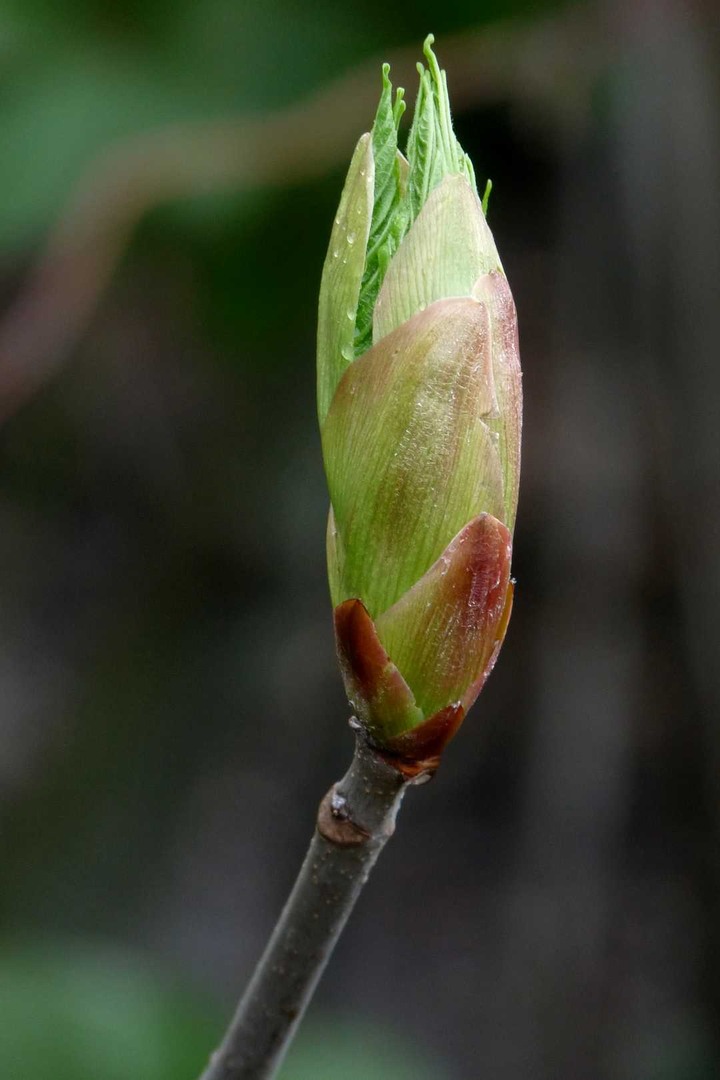 | blossom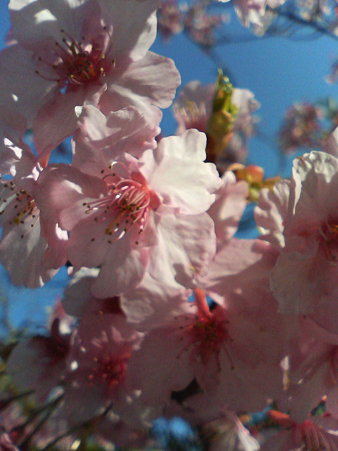 | nest |
bird | water | frog eggs |
pussy willow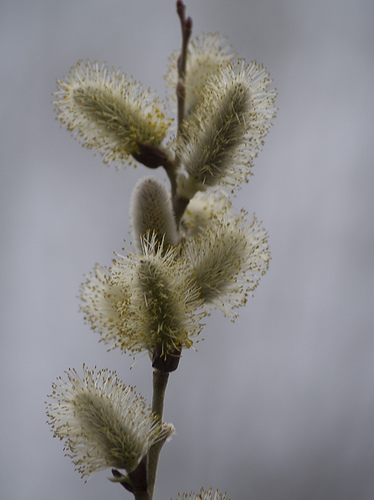 | thimbleberry | indian plum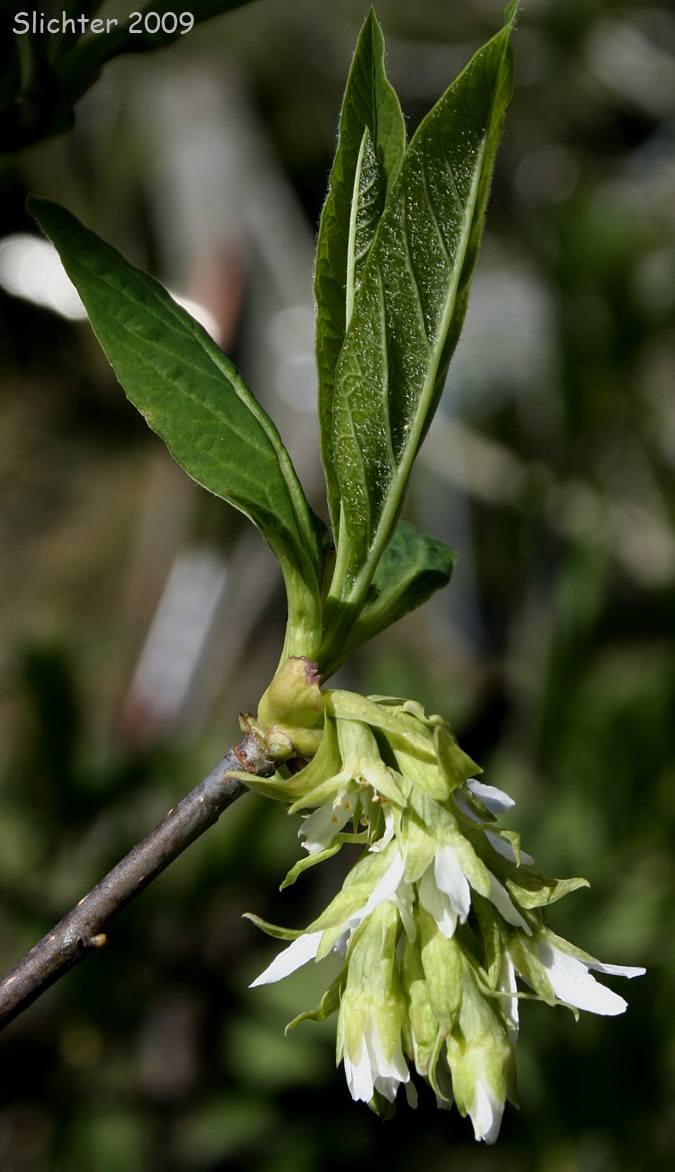 |
Link to "signs of spring" scavenger hunt worksheet
Sunday, March 11, 2012
Lesson Plan- St. Patrick's Day

St. Patrick’s Day
Supplies: Popsicle sticks, markers, cotton balls, glue, Popsicle stick puzzles (rainbow, leprechaun, and pot of gold), treasure with coins, clues hidden in the forest, 5 paper shamrocks.
Welcome to nature school today!! We are going to have so much fun!
Let’s sing our welcome song to everyone-
Our letter of the day is “S” for St. Patrick’s Day, which is this week.
Game:
Let’s play a game called “Hiding the Shamrock”. I’m going to call on a child to be it. He or she will hide the shamrock while the rest of us close our eyes. When the child is done, I’ll say “shamrock” and everyone tries to find it. If you find it, you get to be the next to hide it and so on.
Hike:
Leprechaun treasure hunt:
Today I have a very special adventure for you. First, I have to tell you a little bit about leprechauns. Does anyone know what a leprechaun is? Leprechauns are little Irish fairies that look like little old men. They wear a red or green coat and they enjoy being a little bit mischievous. Leprechauns spend all their time busily making shoes, and store away all their coins in a hidden pot of gold at the end of the rainbow. If ever captured by a human, the leprechaun has the magical power to grant three wishes and they will tell you where their treasure of gold is, in exchange for their release.
Well, I was lucky enough to catch a leprechaun and talk to him. He told me that his treasure was hidden here in this forest! He gave me some clues. So we are going to work together to find his treasure today! We will all share the treasure once we find it. It won’t be easy. We will have to search deep in the forest to find it. Are you ready?
Clue #1:
Cross a bridge
Over the creek
On the other side
A clue you will seek
Clue #2
Use your legs
To climb up the hill
You’ll have to work hard
To find a clue still
Clue #3
Left or right
Which way to go?
Head uphill
where the tall trees grow
Clue #4
Here is a place
where the path splits in two
Look for my footprint
of a leprechaun shoe
Clue #5
You are getting closer
You are almost there
If you go downhill
You’ll not find it anywhere
Clue #6
Look near a tree
Around at the ground
Near the base of its trunk
My treasure will be found
Song:
FIVE LITTLE SHAMROCKS
Place 5 paper shamrocks on the felt board or on the floor.
5 little shamrocks growing outside my door,
(child's name) picked one, and then there were 4.
4 little shamrocks, green as green could be,
(child's name) picked one, and then there were 3.
3 little shamrocks, sitting by my shoe,
(child's name) picked one, and then there were 2.
2 little shamrocks, enjoying the sun,
(child's name) picked one and that left 1.
1 little shamrock for Saint Patrick's Day fun,
(child's name) picked it, and that left none.
(Author unknown)
Group activity/problem solving
Popsicle Stick Puzzles:
Make up three of four Popsicle stick puzzles ahead of time. I made one with a leprechaun, a pot of gold, and a rainbow. Ask the children to split into groups of three or four and solve the puzzles as they work as a team. Then have the groups swap puzzles, until the children have has the chance to do every puzzle.
Game:
Who’s Sitting on Gold…
A gold coin- chocolate foil covered, plastic, or a quarter wrapped in foil. Have the children sit on the ground in a circle or line. One child is designated as the leprechaun. Ask him/her to sit with back facing the children and gold coin sitting on the ground behind him/her. Signal for one child to run and pick up the gold coin and sit on it. Then have the children say:
“Leprechaun, leprechaun where is your gold.
Someone stole it from your home”
The leprechaun has three guess to reveal the child. The child who stole the gold than becomes the leprechaun.
Craft:
Popsicle stick rainbows. Give each child a popsicle stick and markers. Let them color a rainbow on it, you can tell the the color order or just let them be creative. I made an example ahead of time but I’ll encourage them to color theirs whatever way they would like. At the end of each popsicle stick, glue on two cotton balls.
Sunday, March 4, 2012
On vacation- ideas for hiking with kids
We've just returned from a week in Oregon hanging out on the coast and visiting my parents. A change of pace is always good for me and my kids.
We certainly did our own "nature school" while on the coast. Took a couple of hikes into the woods to searching for elk tracks. Chased some waves and collected rocks and shells on the beach.
My best trick for keeping my kids happy while hiking is to tell them stories and engage them in pretend play. I told them stories about elves and fairies caught in a rainstorm, we pretended to be knights and a fair maiden while we galloped through the forest on our horses (sticks), and my husband pretended to be a grumpy gnome and chased us out of his territory. It always keeps the kids moving, happy, and having fun.


I'm currently reading two books about children and nature:
The first is called Sharing Nature with Children:
http://www.amazon.com/Sharing-Nature-Children-20th-Anniversary/dp/1883220734
and the second is called The Green Hour:
http://www.amazon.com/Green-Hour-Happier-Healthier-Smarter/dp/1590307569
We certainly did our own "nature school" while on the coast. Took a couple of hikes into the woods to searching for elk tracks. Chased some waves and collected rocks and shells on the beach.
My best trick for keeping my kids happy while hiking is to tell them stories and engage them in pretend play. I told them stories about elves and fairies caught in a rainstorm, we pretended to be knights and a fair maiden while we galloped through the forest on our horses (sticks), and my husband pretended to be a grumpy gnome and chased us out of his territory. It always keeps the kids moving, happy, and having fun.


I'm currently reading two books about children and nature:
The first is called Sharing Nature with Children:
http://www.amazon.com/Sharing-Nature-Children-20th-Anniversary/dp/1883220734
and the second is called The Green Hour:
http://www.amazon.com/Green-Hour-Happier-Healthier-Smarter/dp/1590307569
Monday, January 9, 2012
Answering Questions
This post is for Tiffany who had some terrific questions for me. First of all, thanks for visiting the blog! Thank you Serena for sending your friend this way :)
So, to answer your questions:
We meet once a week during the cold months. Last summer we tried to meet twice a week but the second meet-up was much more unstructured (no formal lesson plan, more child-led exploring, etc). In the summer, when kids are out of school and the weather is nice, people seem to have much more flexibility and time to play outside.
We have about 5 standard, kid hike-able spots that we go back to often but I throw in new places all the time. We usually go a little further afield once every two months (to an old growth forest, a farm, wetland, etc.). I try to connect our location with our theme. If we are learning about frogs, we go to a wetland. If we are learning about trees, we go to the woods. If we are learning about flowers, we go to a place where lots of wildflowers are growing, etc. I like to pick places without a playground. I find that if there is a playground, the kids are so drawn to it and its difficult to get them to want to explore the unmanicured and natural areas.


I don't have a good answer on my approach for each week. This week, we learned about trees because my 4 year old had been asking if we could go into the woods and find a good climbing tree :) I definitely make an effort to tie the seasons in with our lessons. For the month of November, each week we focused on things we are grateful for (the earth, our families, our senses, food). Sometimes I ask the kids what they want to learn about and I use that I a place to start. Last year, I remember asking the kids and they all wanted to learn about dump trucks or tranformers or something like that! I don't think I ever ended up doing a lesson on dump trucks but the kids sure love talking about what they are interested in :) Once I figure out what I want to teach for a specific week, I scan the internet for ideas, go through files from when I worked as a field trip teacher at the arboretum, or I think up things while I'm trying to fall asleep! If you need ideas, feel free to ask. I have so many lesson plans and I'm planning to post them all eventually.
Sunday, January 1, 2012
How Nature Preschool works
I use the following format for the nature preschool I teach. There are many, many different ways that you can do your own class. This format has worked well for us but I'm sure there are many ways to make a nature group or class run smoothly.
Parent/Nanny involvement- I ask parents/nannies to stay and participate for the entire class. I think that parental involvement is very important. Toddlers are much more likely to pay attention and participate if they see their designated adult participating. As a safety precaution, I need the parents to stay through the entire class because we are wandering around in the woods or near ponds and I cannot adequately watch 20 toddlers!
Hike- I always include a hike with our class. We usually start off class with a 5-10 minute lesson. Somewhere in the middle of our hike we do a science experiment or project. Nearing the end, we sing our songs. If I have a running around game planned, I look for places along the hike that are open and flat where the game would work well. At the end of our hike, we do a craft or coloring activity.
Hikes are really, really important during the winter months. It keeps us moving and warm. During the summer, we don't always have a long hike. Sometimes we go to the beach and play, or to the wetland to catch bugs and our hikes are not as long.
Nature School totes- Each child has a tote with a few tools in it. Our totes include a magnifier, a bug box, and a pond net. Some of the kids have additional supplies. We have ordered the materials for our totes in bulk which helps save money on shipping.
Fees- I run my nature preschool free of charge. I do ask for parents to contribute to the cost of materials for crafts and some teaching tools. The reason I do not charge is because I want anyone and everyone to be able to participate regardless of their financial situation. I also want to keep my personal focus on my own two kiddos- if one of them is having a difficult day, I like to feel free to turn my attention to him and not worry about letting down the other parents. This format gives me more flexibility in the way I run the class.
Subscribe to:
Posts (Atom)